*Caveat: there are no scientists here, but this is basic stuff.
Most discussion of friendship starts with feelings, but I think it’s helpful to take a step back and discuss how the brain and body influences experiences. This is one of the building blocks of my theory, so I’m going to slow walk through this, with pictures.
Let’s start with brains. We all have them.
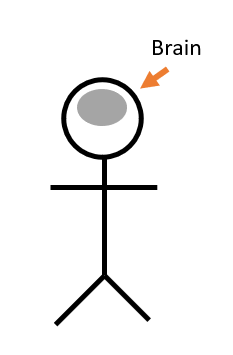
In response to stimuli, our brains produce electrical activity, hormones, and chemicals that define how we react to the world.
Examples:
- Electrical activity: muscle activity, increased alertness, relaxation
- Hormones: oxytocin (the bonding hormone), cortisol and adrenaline (stress hormones)
- Chemicals: serotonin (considered important to positive feelings – also a hormone), and other chemicals that initiate chemicals reactions, like memory.

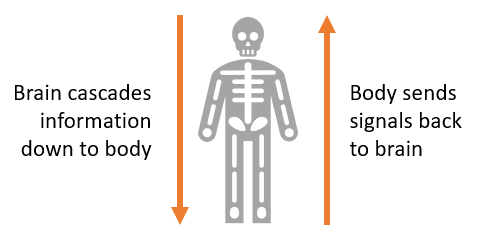
In response to stimuli, the brain cascades these electrical responses, chemicals and hormones to the body through the nervous system. And, in response to information the body is processing (like sound, touch, pain, taste, etc.) the body sends information back to the brain. This becomes a whole cycle of feedback.
Some scientists are researching whether the body-wide nervous system has a much more integral part to memory, emotional processing, and other processes previously thought to be only in the brain, which is cool, but a little off topic.
The body and the brain don’t always agree.
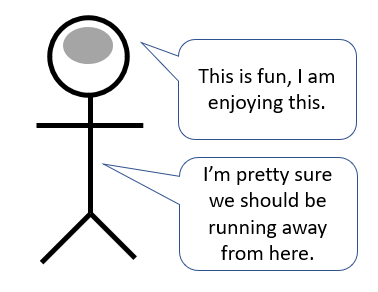
In fact, they may often disagree, and the body state is often disregarded until discomfort becomes so apparent that it’s overwhelming (have you ever gotten to the end of exciting day only to realize your feet are in an enormous amount of pain?).
Why does this matter?
When people talk about friendship, they usually focus on feelings, which is usually interpreted to be strictly brain-based. But for people who may have trouble creating and maintaining friendships, I think it’s worth exploring how the brain + body impacts ability to understand friendship, interactions with others, and be able to navigate these murky waters.
 The Friend Manual: How to make friends when you're bad at it