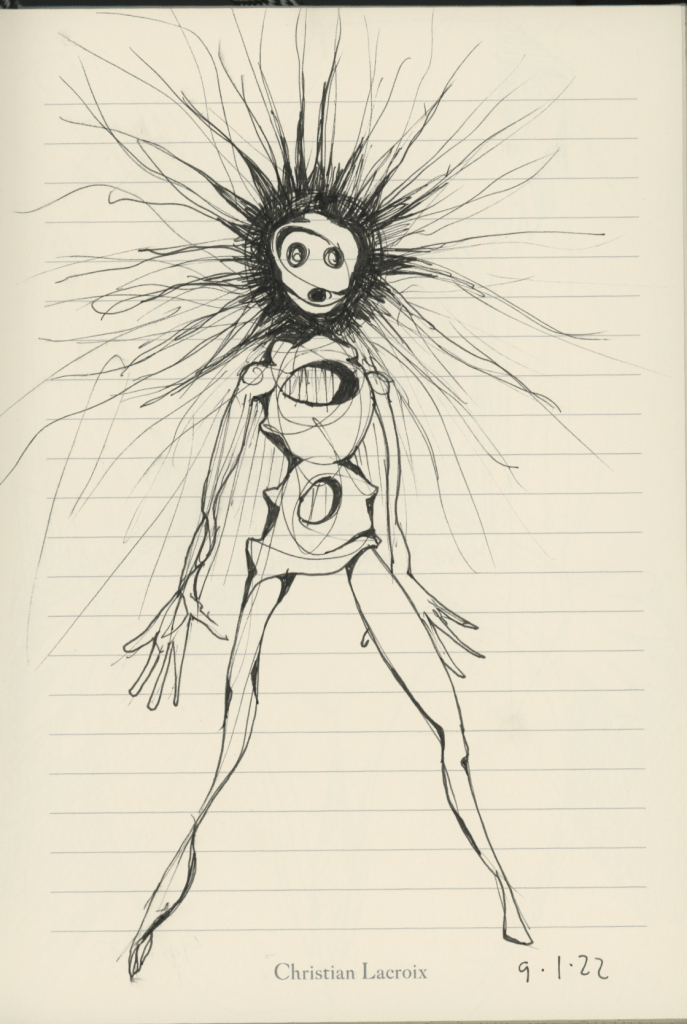
Every once in a while I just need to say something awful or stupid or exciting or just a jumbled mass of words, paragraphs, images, monologues, or petty grievances. Sometimes the content just a series of successive events that I can’t quite close out. And other times, maybe something gets triggered, which triggers something else, and so on in a domino cascade.
The whole point is that the longer I keep this mass of words to myself, the more dysregulated I get.
And the more dysregulated I get, the more likely I am to do or say something I’ll regret.
Which I don’t wanna do.
And, I’ve been on the receiving end of the same type of monologue, tantrum, verbal diarrhea, whatever you’d like to call it, from other people.
Which means I’m not the only one.
So, what is this phenomenon?
Dysregulation Dumping
I’ve decided to start calling it dysregulation dumping. Because it’s similar to trauma dumping, but the need and intent is different.
Unlike trauma dumping, I think dysregulation dumping can healthy when done properly and with a trusted person. Especially if you both perform the service for each other.
For me, the difference is that trauma dumping is digging into past traumas for discussion content. Kind of like finding a willing listener and then going to your trauma folder on your computer and opening the files to share.
Whereas dysregulation dumping is clearing current stuff circling around in your brain that’s mucking up your current headspace. Kind of like closing out your 100 open files and browser tabs to clean up your computer workspace.
What is dysregulation?
It’s when your emotions and/or how your body is functioning (e.g., heart rate, attention, breathing) are out of alignment with your current situation to the point of distress.
People cycle in and out of dysregulation all the time. For example, imagine you are watching tv and a commercial comes on that’s way too loud (this is dysregulating because the noise makes your nervous system spike with stress chemicals) and then you turn down the volume and everything is fine (your nervous system is regulated because the loud noise trigger is removed).
However, when too many things build up, and you can’t offload them, you might need the help of another person to get back closer to your baseline.
Signs of dysregulation dumping
- Disconnected vignettes in the narrative (e.g., I start talking with a complaint about someone at work and suddenly I’m mention something that happened in elementary school, then my dog…)
- Heightened emotions and/or emotions are “all over the place” and are not matched to your current situation.
- Loss of control over stopping speaking, texting, etc.
- Impulsivity, grand or overblown statements (e.g., I HATE ALL PHONE COMPANIES).
- Oversharing or sharing info that you’d prefer not to share normally.
- Loss of sentence structure, ability to form words, resorting to nonverbal communication when verbal communication is your primary method.
- Elements of dissociation or forgetting where you are.
- Volume control issues or oversized gestures.
- Deflation or exhaustion if allowed to complete the “dump” <- haha, get it?
- And much more fun stuff!
How to take a healthy dysregulation dump
Hahahaha. I’m sorry I just couldn’t resist.
If you need to dysregulation dump:
- First, you want to be talking to someone you trust that can handle you being momentarily petty or vindictive or vulnerable.
- If you can, warn them you’re dysregulated and ask if it’s ok to proceed to unburden if you can. Sometimes, you think you’re ok and then a dysregulation dump just happens.
- Just start talking and let the words flow out. Try to stop when you feel your body/mind slowing down.
- If you’re someone who processes their dysregulation physically, try starting with an exercise that regulates you first before talking (e.g., go for a run, lift weights, or dance it out).
- Try to keep in mind that you are talking with a person and to keep some safety guardrails on your emotions (they are not your punching bag – but, they can hold the punching bag for you).
- Stop the dump session if you are falling into actual trauma content or feel yourself getting increasingly dysregulated. You’ll need a different approach if this is happening.
- Conclude your dump session.
- Thank the person for their time.
- Take space to go off on your own if you can and be nice to yourself. Don’t do anything important/make decisions for at least a few hours afterwards. You may feel better or clearheaded, but you might still be very dysregulated or reactive.
- FINAL NOTE: Just because you’ve asked to dysregulation dump doesn’t mean you get a free pass to say absolutely anything. Observe the basics of human decency.
If you are on the receiving end of a dysregulation dump:
- If you are asked to listen to another’s dump, be honest if can’t handle it right now (yay for boundaries!).
- Interrupt someone who seems to be dysregulation dumping to clarify if that’s what they’re doing (but only if they already know what the term means).
- Try to listen without engaging your feelings or emotions or judgement.
- Don’t try to suggest solutions to problems.
- Abide by “cone of silence” rules and don’t share things learned in a dysregulation dump unless it’s a safety issue or a really important thing.
- Don’t worry about trying to address things that they said during the dump. Think of it like an etch-a-sketch conversation, it needed to happen, then it needs to be erased and you can start a new conversation thread later.
- Give the person space after the dump even if they think they don’t need it.
- Be proactive about contacting them later after the dump (and make it something innocuous, not emotionally loaded). They might end up with an “oversharing” hangover and feel vulnerable, especially if they have social anxiety or rejection sensitive dysphoria.
- Practice self care if their dysregulation dump triggered stuff for you.
Conclusion
Dysregulation dumping can help people who can verbally offload dysregulation stress. Because sometimes all you need to get out of the danger zone is to “feel heard”.
You might need even need to solve the issues that you’ve been ruminating on because there isn’t actually a problem to solve once the dysregulation resolves.
Or, you might just have a smaller problem to solve once you’ve untangled it from other things that it got mixed up with in your brain.
Either way. Find someone to partner with and give it a try.
 The Friend Manual: How to make friends when you're bad at it